
To prevent an alcohol-related migraine headache, try sipping your drink slowly or avoiding triggers. People who get migraine attacks during or after drinking should consider reducing or eliminating alcohol. If they find this too challenging, they may have alcohol use disorder, which warrants treatment. People who find that alcohol (often in any amount) triggers their migraines might limit their alcohol consumption or take note of when their alcohol intake prompts a headache. They should talk to a medical provider about these triggers in order to minimize their headaches.
Is Alcohol a Migraine Trigger?
- Additionally, only a few of the studies divided participants into migraine with and without aura.
- This condition causes blood vessels in the pancreas to swell and become inflamed.
- The review also suggests that having migraine leads people to avoid alcohol, rather than alcohol having any protective role against migraine.
- Generally speaking, a person’s biological makeup and individual factors mean hangovers manifest differently.
- They are characterized by a throbbing or pulsating sensation on both sides of the head, aggravated by physical activity.
It is found in alcoholic drinks such as beer, wine, and liquor and can trigger migraine headaches. Beyond ethanol, other compounds in alcoholic beverages can trigger headaches. Darker liquors, such as red wine, whiskey, and brandy, typically contain higher levels of congeners compared to clear spirits like vodka or gin, and these compounds Oxford House are linked to headaches. ADs have been reported to trigger the principal types of primary headaches.
Anxiety disorders and depression are two of the most commonly reported mental illnesses among people who are diagnosed with migraine. By learning how migraine and mental health impact one another and ways to manage both, you can improve your quality of life. Learn more about the relationship between migraine and mental health in this AMF webinar. Substances such as sulfites, histamine, and tyramines are found in alcohol and may contribute to headaches as well. It has also been proposed that alcohol triggers an inflammatory response that can lead to a headache.
Tired of the headaches?
While there are home remedies and treatments for a hangover headache, prevention is always better than trying to cure it. https://ecosoberhouse.com/ However, if you can’t avoid alcohol, remember to drink in moderation. Alcohol triggers headaches by causing dehydration, dilating blood vessels, and increasing inflammation in the body, all of which can stimulate pain receptors in the brain. Understanding the vasodilation effect provides valuable insight into why alcohol and headaches often go hand in hand. By recognizing the role of blood vessel expansion, individuals can make informed choices to minimize this unpleasant side effect, ensuring a more enjoyable drinking experience.
Statistical analysis
A 2022 study in people with migraine, however, found that drinking alcohol didn’t affect the probability of a migraine attack 24 hours after drinking. Scientists are still trying to understand how or why alcohol acts as a trigger for some people who suffer from migraines. At present, most studies seem to link to headaches after alcohol to congeners, a byproduct of alcohol, most commonly found in darker drinks, such as whiskey, brandy and red wine. Even people who are not prone to headaches will get a headache after a night of heavy alcohol consumption. One or two drinks with food and water over time might be safe for you, but three or more will produce a hangover headache for many people.
Note that to qualify as a cocktail (or delayed alcohol-induced) headache, the pain must start within three hours of drinking. A person may experience migraine after drinking if they are susceptible to it. Some people may experience an alcohol-related migraine between 30 minutes and 3 hours after drinking. The brain adapts to chronic alcohol exposure by adjusting the function of alcohol in the brain. Those who drink a lot can drink more without feeling the immediate effects of drunkenness.
The main management for severe symptoms is long-acting benzodiazepines — typically IV diazepam or IV lorazepam. Each of these symptoms can increase in intensity depending on the severity of the withdrawal. Neurology Advisor, a trusted source of medical news and feature content for healthcare providers, offers clinicians insight into the latest research to inform clinical practice and improve patient outcomes. If untreated, alcohol poisoning can have long-term consequences or may even result in death. Because alcohol’s a diuretic — it causes your body to increase how much urine it produces. This makes you lose fluids and electrolytes at a faster rate, so you’ll get dehydrated much more quickly.
The Connection Between Migraines and Ear Pain: Expert Advice from Bend Headache Center
Dehydration triggers some migraine cases; therefore, drinking plenty of water can help, even after the fact. Drinking water helps replenish your fluids and flush the alcohol out of your system. If you tend to get migraines within three hours or less of drinking, this might work best for you.
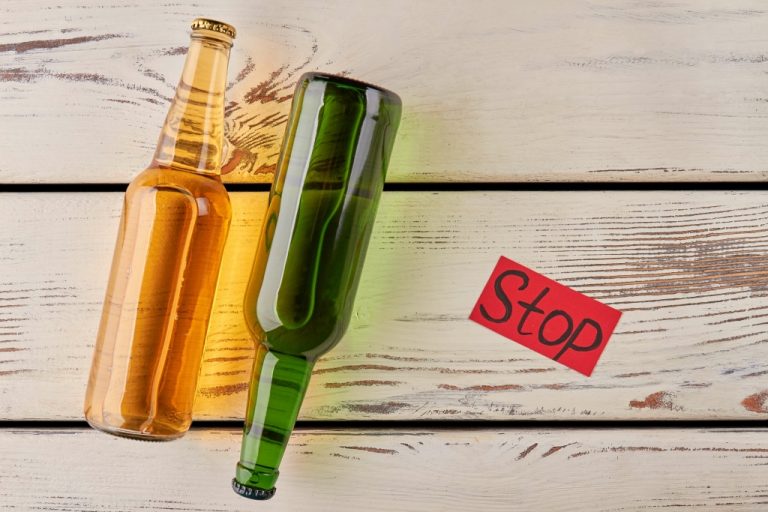
Alcohol Withdrawal
In an open-bar situation, choose beer, wine, or a mixed drink made with a high-quality brand. A comparative analysis reveals that not all headaches from alcohol are histamine-related, but this pathway is particularly significant for those with pre-existing sensitivities. For instance, dehydration and inflammation also contribute to alcohol-induced headaches, but histamine release offers a distinct, actionable target for prevention. By understanding this mechanism, individuals can make informed choices to minimize discomfort without necessarily abstaining from alcohol entirely. This vasodilation effect is primarily due to alcohol’s influence on the body’s nervous system. Alcohol interferes with the normal functioning of neurotransmitters, particularly those that regulate blood vessel constriction and dilation.
Which Targeted Treatment Should You Try for Migraine Prevention?
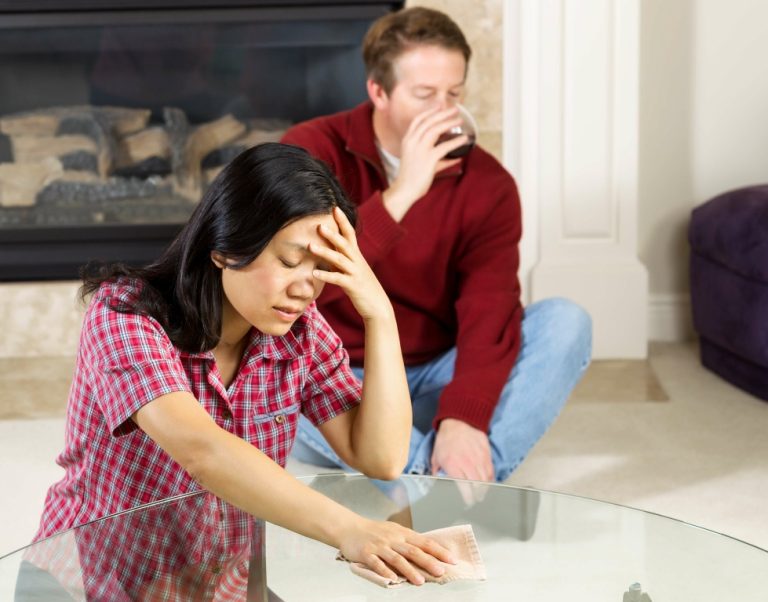
This uncertainty makes it difficult for many people who want to responsibly enjoy alcohol during the holidays or on special occasions to effectively manage their migraine symptoms. Many alcoholic beverages, notably red wine and beer, contain naturally occurring histamines. For individuals sensitive to histamines, consuming these drinks can lead to headache pain. Alcohol can also inhibit diamine oxidase (DAO), an enzyme that breaks down histamine, potentially increasing histamine levels.
In this cross-sectional study, university students were asked to fill structured questionnaires assessing headache history, alcoholic consumption, and hangover symptoms (using the Hangover Symptom Scale (HSS)). Subjects were classified as suffering from migraine with or without aura and nonsufferers according the International Classification of Headache Disorders 2nd Edition (ICHD-II). The 13 hangover symptoms were divided by the researches into migraine-like and other nonmigraine-like symptoms. However, there has been evidence to suggest that vodka is the least likely alcoholic beverage to cause a hangover. Drinking this with mixers such as lemonade or tonic waters can reduce the chances even further.
Vasodilation Effect: Alcohol causes blood vessels to expand, triggering headaches due to increased blood flow
No content on this site, regardless of date, should ever be used as a substitute for direct medical advice from your doctor or other qualified clinician. Ria Health offers several FDA-approved medications for alcohol headache alcohol use disorder. When combined with counseling, this approach is proven highly effective.